Jump to a section 5 sections
Understand the idea
A scale model building club brings together people who enjoy making a small version of something larger, from aircraft and ships to cars, buildings or imagined machines. Some members build kits exactly as supplied; others modify parts, research a particular subject or create a scene around the model. You can join for the pleasure of careful making without aiming for competition standards. The most useful first meeting is one where you can see unfinished work as well as polished displays. Ask whether the club runs practical build evenings, demonstrations or mainly talks, because each offers a different way to get started.
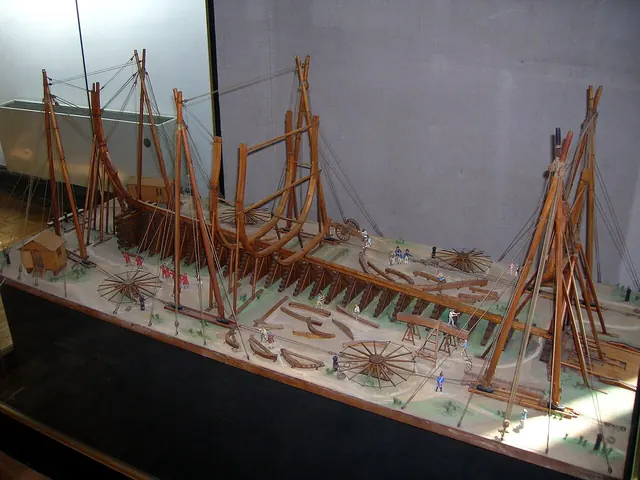
Find a club that builds what interests you
Many clubs welcome a wide range of subjects, while others concentrate on ships, aircraft, vehicles or a particular scale. Looking through recent meeting photographs can reveal the balance better than the club's name alone. If you enjoy architecture or civilian subjects, ask whether those are represented too. A good first conversation is simply describing an object you would like to make. You do not need specialist vocabulary. The members can suggest a manageable approach, and their response will help you judge whether the group enjoys welcoming a beginner's questions.
Separate a meeting from a taught course
A club night may be social time for working on individual projects, with informal advice rather than a structured lesson. Demonstrations can focus on one technique and assume prior experience. Ask whether someone can help you begin, or whether a shop class or introductory workshop would be a better first step. Visiting as an observer is often a useful option, if the club permits it. You can see the working conditions, ask about membership and decide whether you would enjoy spending a regular evening there before committing to equipment or a long project.
Start with fewer parts and clear instructions
An appealing subject matters, but the most elaborate kit is rarely the simplest introduction. Ask about parts count, fit, scale and the tools needed rather than judging difficulty by the finished model's size. Some kits are designed to snap together; others require cutting, adhesive, filling and painting. A club can help you understand these differences. Choose a project that leaves room for learning one or two new skills at a time. A completed modest model is a useful reference for the next build, while a very demanding first kit can leave you unsure which difficulty to tackle first.
Understand the venue's working rules
Clubs may limit adhesives, spraying or other materials because of ventilation, odour or shared-room arrangements. Confirm what is permitted before bringing paints and tools. Use the products according to their instructions and the organiser's rules. If children attend, ask about age limits and adult supervision rather than assuming every meeting is a family session. Lighting, table space and storage also matter. A project carried back and forth needs a protective box, and small loose parts are easier to manage when you have a simple tray or organiser of your own.
Enjoy research without turning it into a test
For some builders, the pleasure lies in getting a colour scheme or historical detail right. Others enjoy an imaginative finish or a clean assembly. You can decide where to place your attention. Ask for a source when a particular detail matters, and keep notes rather than relying on several competing opinions around the table. A club display or open day can introduce you to subjects you had never considered. If you eventually enter a show, read its rules separately; everyday club participation does not need to become a constant rehearsal for judging.
You might also like to explore
Model store
Model and remote-control shops serve different scales, power systems and levels of building experience.
Hobby Store
Craft and hobby shops can introduce a new activity through a manageable first project.
Model railway clubs
Explore model railway clubs through layout building, scenery, train operation and shared projects. Compare scales, meeting formats and beginner opportunities, with focused searches for a welcoming group that matches your modelling interests.
Open a guide to see what it involves and find a more specific search.
Sources and further reading
Further reading for the subjects discussed in this guide. Provider arrangements and local availability should be checked separately.