Jump to a section 5 sections
Understand the idea
A field recording workshop invites you to notice a place through sound. Instead of framing a photograph, you might listen for the changing rhythm of footsteps, leaves moving above a path or the layered noise of a public space. A tutor can show you how to position a microphone, monitor a recording and recognise the difference between an interesting sound and unwanted handling noise. Some sessions are quiet listening walks with a little recording; others lead towards sound art, music or film work. Choose the balance that interests you, and check the route and equipment arrangements before booking.
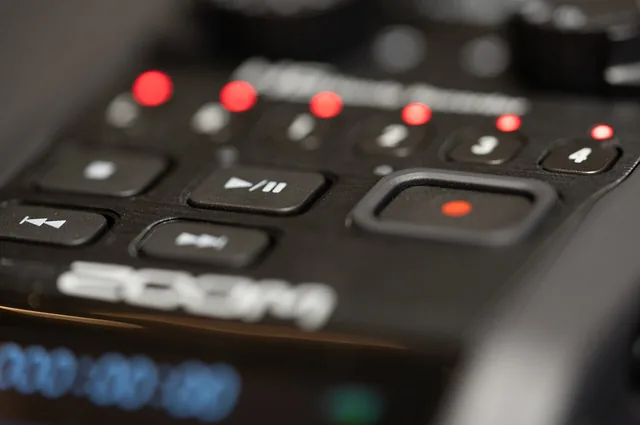
Listen before pressing record
An appealing recording often begins with deciding what you want the listener to notice. You might concentrate on one repeating sound or capture the wider atmosphere around it. A guided session can ask everyone to listen silently in the same spot and then compare what stood out. That simple exercise gives purpose to the technical part. Ask whether the workshop includes time for listening back together: hearing the results can reveal details you missed outside. A hurried walk that collects many clips may leave less learning time than a few recordings made with careful attention.
Find a workshop with suitable equipment
Some sessions welcome phones, while others provide portable recorders and microphones. Neither label alone tells you how much you will learn. Confirm whether each person has a device, works in a pair or watches one group demonstration. Headphones are important for judging what the microphone actually captures. Ask about wind protection and how the tutor demonstrates handling noise, recording levels and microphone position. If you bring your own recorder, charge it and check its storage beforehand. Tell the tutor its model so they can say whether the planned exercises will be possible.
Choose the setting that interests you
Nature recording, urban sound walks and experimental sound workshops can feel very different. A quiet woodland session may involve long pauses, while an industrial sound walk could concentrate on textures and rhythms. Some specialist courses use contact microphones or underwater microphones; those are distinct techniques and may assume prior experience. Read the description for the actual activity rather than booking on the strength of atmospheric photographs. Ask about walking distance, uneven surfaces, shelter and the weather policy. If standing or walking for long periods is difficult, check whether there is a seated or indoor option.
Respect the place and its occupants
Recording sound does not remove the need to follow access rules. Stay on permitted routes and ask before recording inside a private venue. Avoid treating identifiable conversations as background material you are free to publish. A useful tutor explains the intended use of recordings and how to avoid intruding on other people. Around wildlife, observe quietly and keep an appropriate distance rather than disturbing an animal to obtain a more dramatic sound. If the workshop contributes to an online sound map, ask whether uploads are optional and what location details will accompany your file.
Turn the recordings into something usable
A folder full of unnamed clips is hard to revisit. Learn a simple habit of naming files and noting the subject, setting, date and any important restrictions. You could make a short listening postcard, build a personal sound collection or use a recording in a later creative project. Ask whether editing is part of the workshop or requires a separate class. For a first attempt, a clean short recording and an explanation of how you made it are worthwhile outcomes. Search by sound walk, field recording or environmental sound, since different organisers use different terms for overlapping activities.
You might also like to explore
Photography courses
Compare photography courses for phones, mirrorless cameras and DSLRs. Explore practical tuition in exposure, composition and image review, then find a class matched to the pictures you want to make and your current experience.
Music production classes
Compare music production courses through the tracks you want to make. Explore recording, beat making, arrangement and introductory mixing, with practical guidance on software, equipment access and completing a manageable first audio project.
Courses
Short courses can be a low-commitment way to discover a new interest, but the course title should translate into specific learning outcomes.
Open a guide to see what it involves and find a more specific search.
Sources and further reading
Further reading for the subjects discussed in this guide. Provider arrangements and local availability should be checked separately.