Jump to a section 5 sections
Understand the idea
Photography courses help you make more deliberate pictures with the camera you already have. A structured course can connect practical controls with visual decisions: what to include, where to stand, how to use the light and when to press the shutter. Some classes teach interchangeable-lens cameras, while others focus on phones or on a particular subject such as portraits. Look for a balance of explanation, time taking pictures and feedback on the results. A useful beginner course should help you understand why an image looks the way it does, rather than send you home with a list of settings that only suit one situation.
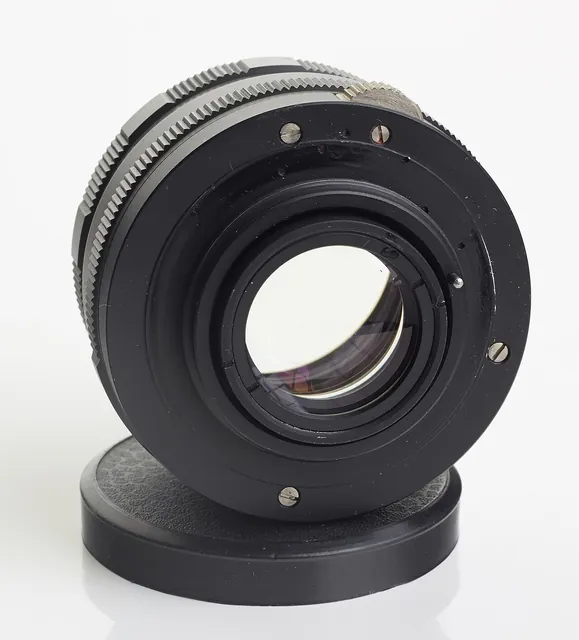
Choose a course for your camera and interests
A camera-controls course can be useful when you own a DSLR or mirrorless camera but mainly use its automatic mode. A phone photography class may spend more time on available light, framing and the controls accessible on a mobile device. Subject courses such as portraits, landscapes or close-up photography can assume that you already know your basic settings. Ask whether the instructor supports your equipment and whether you need a particular lens. Buying new equipment before the course is rarely a useful starting decision if you have not yet discovered which limitation you are trying to solve.
Connect exposure settings to visible results
Aperture, shutter speed and ISO are commonly taught together because choices about one affect the others. A course can demonstrate how shutter speed changes the appearance of movement and how aperture can affect the area that appears sharp. The point is to connect a setting with an intention, such as making a moving subject look crisp or keeping more of a scene in focus. Look for practical comparisons rather than a long technical lecture. Taking several versions of the same scene makes it easier to see which change actually altered the photograph.
Give composition and light equal attention
A technically clear image can still feel unfocused if the subject is hard to recognise or the background competes with it. Composition exercises might involve moving closer, changing the camera height or waiting for a cleaner arrangement. Light exercises can compare an object beside a window with the same object under an overhead lamp. These are useful skills across many types of camera. Ask whether the class includes looking at pictures together and explaining visual choices. Rules and grids can offer starting points, but the course should also encourage you to notice when a different arrangement serves your subject.
Understand the place of editing
Editing can include selecting the strongest picture from a set, adjusting brightness or colour and deciding on a crop. A beginner course should make its editing requirements clear: particular software, a subscription or a computer may be expected. It is useful to distinguish organising and improving your own images from creating elaborate composites. Ask whether files are reviewed during the course and whether you learn a repeatable process for saving originals and finished versions. A simple workflow you can continue using is more practical than a demonstration that depends on tools you cannot access afterward.
Look for feedback and manageable practice
A sequence of classes gives you time to try an idea, bring back results and ask why something did not work as expected. Small assignments, such as photographing one subject in different light, can make progress easier to see. Check whether outdoor sessions involve walking, whether indoor alternatives exist and what happens when conditions change. For portraits, ask how subjects are arranged and whether permission to photograph is handled by the organiser. Use your camera type, subject interest or preferred schedule in the search phrase to move beyond a broad list of photography businesses.
You might also like to explore
Camera store
Camera shops can help compare bodies, lenses, lighting and accessories around the photographs you want to make.
Photography store
Camera shops can help compare bodies, lenses, lighting and accessories around the photographs you want to make.
Art classes
Art classes and studio sessions can offer guided skills, a shared workspace or support for developing your own work.
Open a guide to see what it involves and find a more specific search.
Sources and further reading
Further reading for the subjects discussed in this guide. Provider arrangements and local availability should be checked separately.