Jump to a section 5 sections
Understand the idea
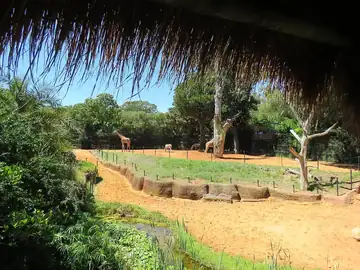
Zoos differ in their species, habitats, education programmes and walking distances. A focused visit around a few interests can be more rewarding than trying to see every enclosure. Check the current programme and visitor information, including animal-welfare and conservation information supplied by the institution. Plan a manageable route and breaks for your group. A place that looks appealing in photographs still needs to fit the time, pace and practical needs of the people going with you. Compare educational programme, institution information and route and accessibility before narrowing the local search. The options below help you choose a manageable version of the outing and identify the details to confirm.
What to compare
- Educational programme
- Institution information
- Route and accessibility
Make the plan fit the day
Check the access point, terrain, weather and facilities your group needs. Keep an alternative in mind if conditions change. One unfamiliar viewpoint or a small observation challenge can make even a short outing feel new.
Something else to discover
Petting zoo
Petting farms and zoos can introduce children to animals through supervised encounters and learning activities.
Walking parks
A walking route can be chosen for forest scenery, waterside views, local history or simply a comfortable loop.
More ways to explore this subject
Nature outings do not need a remote destination or a long hike. A short woodland path, a wetland boardwalk, a garden or a familiar park can feel different when you choose one thing to notice.
Choose a landscape and a purpose
Woodland offers shade and changing textures; wetlands can provide birdwatching from fixed paths; open grassland makes sky and seasonal plants more noticeable. A botanical garden concentrates many plants in a manageable area, while a riverside route can provide a clear line to follow. Decide whether the group mainly wants movement, a picnic, photography, quiet observation or room for children to explore within permitted areas.
Match the route to the group
Look for a distance and surface that leave energy for the return. Circular walks reduce repeated ground, while out-and-back routes make it easier to turn around early. For wheelchairs, pushchairs or limited mobility, verify gradients, gates, surfacing and toilets individually. A route described as easy may still include steps or mud. Use official site information to check current access and any seasonal restrictions.
Add interest without disturbing the place
Try noticing bird calls, comparing leaf shapes or photographing textures from public paths. Bring binoculars if available, but avoid making equipment a requirement for enjoying the visit. Follow local rules about dogs, collecting objects and access near water. Pack food and a drink if suitable, take litter home and plan a simple alternative if weather or ground conditions make the chosen route unsuitable.
Look at relationships within a small area
A patch of shade, a fallen branch and a flowering edge can support different things to notice within a short distance. Compare the sounds, textures and visible activity around each without moving materials or approaching wildlife. A simple question, such as where leaves collect after rain, gives the walk a thread without demanding specialist knowledge. Identification can wait when you are uncertain; a photograph or descriptive note is enough to preserve a question. This approach makes a small local place interesting because attention supplies the variety, rather than requiring an increasingly remote destination for every outing.
Revisit to see change rather than novelty
Returning to the same path can reveal differences that a single visit misses. A familiar tree, pond edge or view becomes a reference point for changing light, foliage and sounds. Choose an observation you can repeat from a permitted location, such as a sketch of the same branch or a short description of the weather and visible activity. A child might remember where a particular colour appeared, while another participant notices a new sound. Comparing these impressions creates a shared story of the place without needing to collect objects or make a scientific claim from a few observations.
You might also like to explore
Petting zoo
Petting farms and zoos can introduce children to animals through supervised encounters and learning activities.
Walking parks
A walking route can be chosen for forest scenery, waterside views, local history or simply a comfortable loop.
Botanical gardens
Botanical gardens organise living plant collections around habitats, regions or themes.
Dog walking area
Dog-friendly spaces differ in lead rules, fencing and shared use with other visitors or wildlife.
Open a guide to see what it involves and find a more specific search.