Jump to a section 5 sections
Understand the idea
Visible mending workshops teach repairs that become part of a garment's appearance rather than disappear into it. A contrasting patch, a small woven darn or a line of decorative stitches can draw attention to the work that keeps an item wearable. The starting point is still a repair: the fabric around the damage, the garment's movement and the position of the hole all affect the technique. Look for a class that helps you assess an item before choosing colours and stitches. A recurring workshop or mending group can also give you support as you move from a practice sample to repairing your own clothes.
Begin with the damage and the surrounding fabric
A small hole in otherwise sound cloth is a different problem from a large area that has become thin. A tutor can help you see how far a repair needs to extend and whether the material can support the intended stitches. The position matters too: a knee, elbow or pocket edge moves and wears differently from a flat decorative area. Bring the garment only if the organiser invites personal projects, and include a photograph when asking whether it is suitable. For a first attempt, a practice piece can be useful before working on an irreplaceable favourite.
Compare patching and darning
Patching adds another piece of fabric, which may sit above or below the damaged area depending on the method. Darning creates a repair with thread or yarn, often forming a small woven structure across a hole. The choice depends on the garment and the result you want, rather than on which technique looks most impressive in a photograph. A workshop can show how a sample behaves when bent or stretched. A neat-looking repair that makes a flexible area stiff may be less comfortable than a simpler approach chosen for the fabric.
Use decoration to support the repair
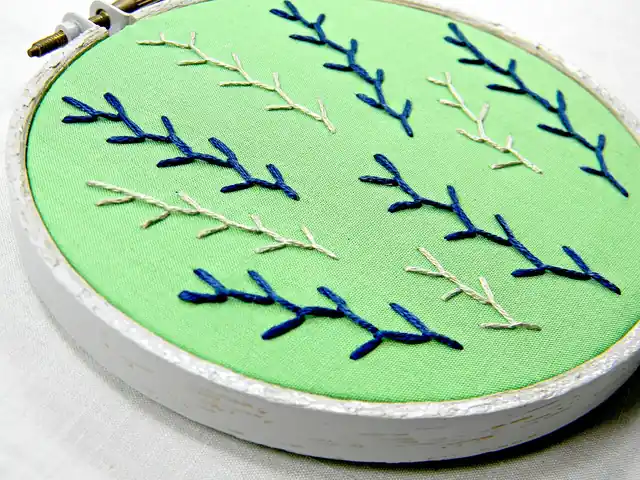
Colour and pattern can make mending enjoyable, but they work best when the underlying repair is sound. Rows of running stitches might hold a patch and become a visible pattern at the same time. A contrasting darn can emphasise the history of a jumper rather than imitate the original knit exactly. If a class teaches a named textile tradition, look for a tutor who explains its background and distinguishes that practice from a loose visual imitation. You can enjoy decorative stitching while being precise about what you are learning.
Choose materials that suit the garment
Needles, thread, patch fabric and any support used during stitching should be appropriate to the item. The right choice for a sturdy denim patch may be unsuitable for fine knitwear. Ask whether the workshop provides a starter kit or expects you to bring materials, and whether those supplies are intended for practice samples or personal clothes. Consider how the garment will be worn and washed after repair. A useful tutor will discuss those practical demands rather than focus only on the appearance of a newly completed patch on the classroom table.
Build a repair habit at your own pace
A first session may leave you with a sample and an unfinished garment rather than several completed repairs. Hand stitching takes time, and repeated practice can make your decisions and movements more confident. A mending group offers company and further questions as new kinds of damage appear, while a focused course can teach a specific technique in depth. Keep leftover thread and fabric with a note about the repair so later maintenance is easier. Search for the garment or method that matters to you, such as knitwear darning or jeans repair, to find more suitable instruction.
You might also like to explore
Clothing repair
Clothing and shoe repairs can extend the life of an item, but the result depends on its material and construction.
Sewing stores
Fabric, sewing and haberdashery shops can help combine cloth, thread, fastenings and a pattern into a workable project.
Fabrics store
Fabric, sewing and haberdashery shops can help combine cloth, thread, fastenings and a pattern into a workable project.
Open a guide to see what it involves and find a more specific search.
Sources and further reading
Further reading for the subjects discussed in this guide. Provider arrangements and local availability should be checked separately.