Jump to a section 5 sections
Understand the idea
Ukulele lessons offer a compact way into making music, with enough possibilities to stay interesting after the first few chords. A beginner session might cover holding the instrument, checking its tuning and changing between two chord shapes while keeping a steady pulse. Group lessons can add the pleasure of playing with others, while individual tuition gives more time to work on your particular questions. The instrument's small size does not automatically make every model comfortable for every player. A taster with a borrowed ukulele can help you discover what suits your hands and the kind of music you enjoy.
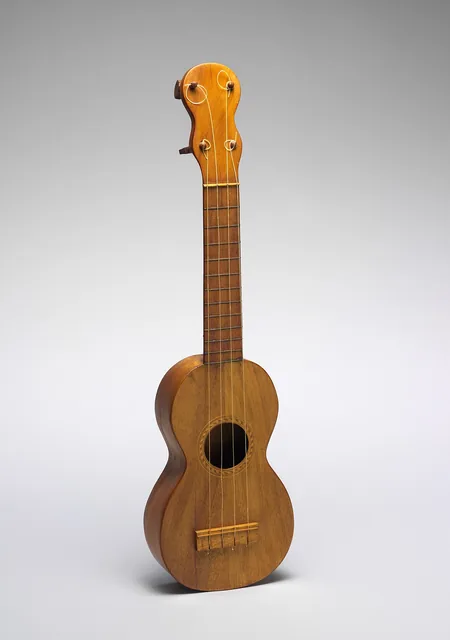
Try the instrument before choosing one
Soprano, concert, tenor and baritone ukuleles differ in size, and the space between frets can affect how chord shapes feel. The smallest option is not automatically the easiest for an adult or a child. Ask whether a teacher or music shop can let you hold different instruments before buying. Also identify what you already own: a baritone normally uses a different tuning from the common soprano, concert and tenor setup. This matters when following chord sheets in a group. Send the tutor a clear photograph or model name if you are unsure.
Give tuning a place in every lesson
A chord can sound wrong because of the instrument's tuning rather than your fingers. A useful beginner lesson shows you how to check each string and how to tell which way a tuning peg changes the note. Ask which tuner the tutor recommends for the class and whether help is available before group playing begins. New players benefit from learning this routine early, instead of relying on somebody else to tune the instrument each week. You can then spend practice time hearing what your hands are doing, rather than trying to correct a sound caused elsewhere.
Choose between a class and a playing group
A beginner class usually explains techniques in a sequence and leaves time to repeat them. A ukulele club may move through familiar songs at a pace its regular members already know. Both can be welcoming, but they meet different needs. Ask how many chords you should know before joining, whether songs are supplied in advance and whether there is a slower beginner table. Individual lessons may suit someone who wants particular songs or needs a different pace. A short group taster is useful if your main aim is finding out whether you enjoy the instrument.
Practise a small change well
The first satisfying milestone might be moving between two chords without stopping the rhythm. A tutor can help you separate the tasks: place the fingers, check the sound and then introduce a simple strum. There is no need to rush into many chord shapes at once. Ask for one or two clear things to practise between lessons and a demonstration you are allowed to record for personal use. If a position feels uncomfortable, tell the teacher and try an adjustment. Forcing your hand into an awkward shape does not make practice more productive.
Check the practical details before joining
Find out whether a loan instrument is included, must be reserved or can be taken home. Weekly tuition is harder to follow if you only touch a ukulele during class. For children, check lesson length, parent attendance and how the teacher introduces rhythm and reading. Adult groups may sing while playing, but singing should not be assumed to be compulsory. Search for the format you want, then ask about group size, missed lessons and materials. If you enjoy the first course, a continuing club can provide songs to work towards and a reason to keep playing.
You might also like to explore
Music school
Music schools can offer instrument lessons, singing, theory and ensemble playing.
Music store
Music and record shops can be places to discover unfamiliar artists as well as buy a specific release.
Musical instrument rental
Explore student and short-term musical instrument rentals. Compare instrument size, setup, accessories and maintenance support, then use focused search phrases for strings, wind instruments, keyboards or equipment needed for a temporary performance.
Open a guide to see what it involves and find a more specific search.
Sources and further reading
Further reading for the subjects discussed in this guide. Provider arrangements and local availability should be checked separately.