Jump to a section 5 sections
Understand the idea
A typewriter repair specialist can help turn an awkward or non-working machine into something you can understand and, where feasible, use again. Sticky keys, uneven printing, paper feed problems and a carriage that behaves unpredictably may need different kinds of attention. Start by identifying the make and model and describing what happens during normal use. Manual, electric and electronic machines are not interchangeable repair jobs, and some workshops accept only particular types. A service may clean and adjust a machine without replacing damaged parts. Explain whether you want a dependable writing tool, a carefully preserved family object or a more extensive restoration.
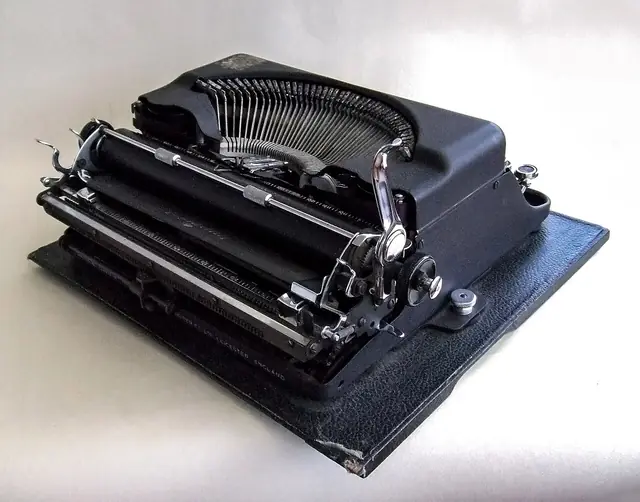
Identify the machine before arranging a visit
Photograph the whole typewriter, its maker's name and any visible model or serial information without dismantling it. Include a typing sample if the machine can produce one safely. Tell the repairer whether the problem happens on every line, with particular keys or only after some use. An electric machine that has been stored for years needs a different discussion from a regularly used manual portable. Do not keep powering or forcing a machine that smells unusual, jams or has visibly damaged electrical parts. The workshop can tell you whether it accepts that type and what information would help it assess the job.
Separate a service from a repair
A routine service may involve cleaning and adjustments, while a broken component or worn part can require additional work. Ask the repairer to define what the initial fee covers and whether diagnosis is charged if you decide not to proceed. A replacement ribbon may improve a faint impression, but it will not solve every printing problem. Equally, a dramatic-looking fault is not always a reason for a complete restoration. Describe your goal and let the specialist assess the machine. Request approval before extra work exceeds an agreed amount, especially when the machine's value to you is sentimental rather than commercial.
Discuss originality and replacement parts
An old typewriter can carry useful wear, family history and small modifications. Decide which of those you want to preserve. Repainting, polishing or changing parts may produce a cleaner appearance while altering the character of the object. Ask whether replacement parts are new, reproduced or taken from another machine, and whether originals can be returned when practical. Some models have scarce parts, so a repairer may offer a limited functional improvement rather than a complete return to original specification. Get that distinction in writing. A clear understanding of the likely result avoids disappointment when an attractive machine still has age-related limitations.
Plan transport with the workshop
Typewriters can be heavy, and moving mechanisms or projecting parts need protection. Ask the repairer how the particular model should be transported; a carrying case alone may not be sufficient for shipping. Do not improvise a packing method for a valuable machine or secure parts with adhesive that may damage its finish. If delivery is local, confirm appointment times and whether someone can help with lifting. Photograph the condition before handover and keep a list of any case, cover or accessories supplied. For a distant specialist, agree shipping responsibilities and suitable packaging before arranging a courier or putting the machine in the post.
Test it in the way you plan to use it
When collecting the typewriter, ask for a demonstration and try a short passage yourself if possible. Check the functions relevant to your writing, such as spacing, line advance and paper handling. Have the repairer explain the ribbon type and ordinary care they recommend for that machine. Avoid general-purpose oils or cleaning products unless the specialist explicitly approves them. If you want the typewriter for a special project, practise before the deadline so you can learn its feel and quirks. A restored machine need not behave like a modern keyboard to be enjoyable, but it should match the result you agreed with the workshop.
You might also like to explore
Clockmaker
Clockmakers repair or maintain timepieces with mechanisms that may need specialist handling.
Household appliance repair
Appliance repair requires the correct model information and a clear description of the fault.
Vintage store
Antique, consignment and second-hand furniture shops offer individual pieces whose condition and provenance vary.
Open a guide to see what it involves and find a more specific search.
Sources and further reading
Further reading for the subjects discussed in this guide. Provider arrangements and local availability should be checked separately.