Jump to a section 5 sections
Understand the idea
Stamp collecting can begin with a handful of stamps that catch your eye. A club gives you people to ask about the designs, the countries or subjects they represent and the clues that distinguish apparently similar examples. Some collectors follow birds, architecture or space travel; others enjoy postal history and keep entire envelopes. Meetings may include displays, exchanges, talks and help for beginners. You do not need to pursue rare stamps or build a complete country collection. Look for a group that welcomes your level of interest and helps you find an enjoyable theme before encouraging you to buy more material.
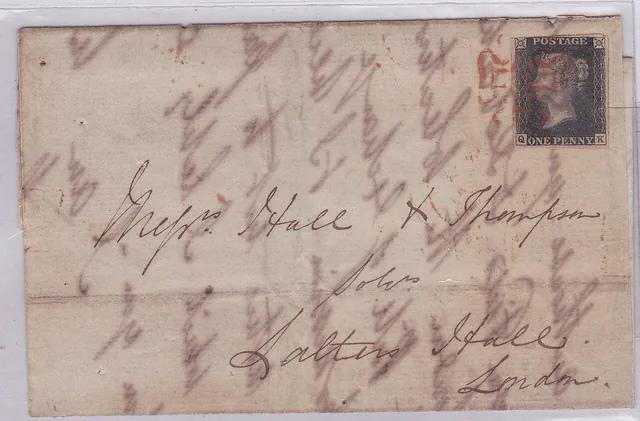
Start with a subject you want to explore
The American Philatelic Society describes topic-based collecting as one common starting point. You might choose wildlife, music, maps or a favourite sport and build a collection around the designs rather than a strict date sequence. Another approach is to study the mail itself, including envelopes, cancellations and routes. A club can show you several possibilities before you buy an album with hundreds of spaces to fill. Take a few examples of what interests you and ask how members would organise them. A collection can be small and unfinished while still giving you plenty to learn and enjoy.
Find out how the club uses its evenings
A programme may alternate between invited speakers, members' displays, auctions and informal sessions. For a first visit, ask which evening offers the best chance for beginner questions. A busy auction is a different experience from a relaxed introduction to collecting. Confirm guest arrangements and whether you need to register in advance. Youth groups can have their own supervision and safeguarding arrangements, so contact the organiser before taking a child. If you inherited a collection, explain that you want orientation rather than assuming an ordinary meeting includes a full valuation. Members can often suggest an appropriate next step.
Learn the small differences gradually
Two stamps with similar pictures may differ in colour, printing, perforations or other details. Those distinctions can be fascinating, but trying to master all of them immediately makes the hobby feel like an examination. Ask the club to demonstrate one comparison using real examples. A reference catalogue can help you understand the terms, though a listed figure should not be treated as a guaranteed selling price. Condition and demand matter to buyers. Keep any identification notes with your collection, including uncertainty. It is better to label a stamp as needing further research than to repeat an impressive claim you cannot support.
Handle exchanges and purchases clearly
Before a swap, agree which stamps are changing hands and whether either person is adding money. If you are buying, set a comfortable limit and ask what you are receiving: individual stamps, a mixed packet or an album whose contents need checking. Avoid making a large purchase simply because a meeting feels friendly. A beginner can learn plenty from inexpensive material. Ask experienced collectors about suitable handling and storage, especially before trying to remove a stamp from an old envelope. The envelope itself may contain information worth keeping. Do not experiment on an inherited collection until you understand what you have.
Make a collection easy to revisit
Choose a simple arrangement that lets you enjoy your stamps and find them again. It might be one stockbook by subject, a folder of complete envelopes or a small display about a single journey. Record where items came from and any information you want to investigate later. A club display need not be competitive; showing a few pages can invite useful conversation. If you lose interest in one theme, you can pause it without abandoning the hobby. The best next purchase may be no purchase at all, but a meeting where someone helps you see more in stamps you already own.
You might also like to explore
Hobby Store
Craft and hobby shops can introduce a new activity through a manageable first project.
Courses
Short courses can be a low-commitment way to discover a new interest, but the course title should translate into specific learning outcomes.
Library
Libraries can offer books, study space, workshops, language groups and access to information beyond lending alone.
Open a guide to see what it involves and find a more specific search.
Sources and further reading
Further reading for the subjects discussed in this guide. Provider arrangements and local availability should be checked separately.