Jump to a section 5 sections
Understand the idea
A public observatory offers a way to encounter astronomy through real instruments, knowledgeable guides and the work of observing the sky. Depending on the programme, you might tour a historic telescope, attend a talk or join a staffed viewing session. These are different experiences: a daytime building visit does not necessarily include looking through a telescope, and an evening session depends on what the sky and weather allow. Choose the programme rather than the building's name alone. A well-planned visit leaves room for questions and treats the observation as something to explore, not a guaranteed view of a particular dramatic photograph.
Distinguish a telescope visit from a planetarium show
An observatory uses instruments to study real objects in the sky, while a planetarium presents the sky through a projected or digital display. A venue may offer both, along with exhibitions and talks. Read the programme carefully to see what your ticket or booking includes. A telescope tour can be fascinating without any live viewing, especially when it explains the instrument's history and operation. A planetarium can provide a guided sky experience regardless of cloud, but it should not be mistaken for looking through the observatory's telescope that evening.
Let the programme set realistic viewing expectations
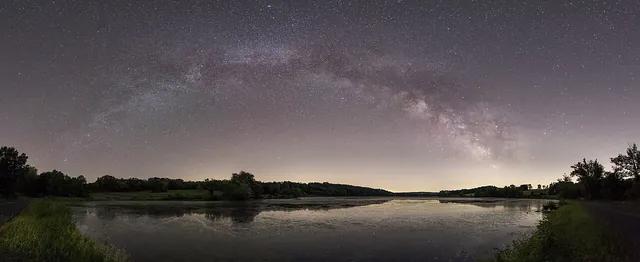
The objects available to observe depend on the date, time, location and conditions, so a public session cannot promise every familiar planet or nebula. Ask what the event is designed to show and how the organiser handles poor conditions. Staff may choose different targets or provide an alternative talk when viewing is not possible. A useful event description makes these possibilities clear. Do not book solely because a promotional image looks spectacular; many astronomy images are made using cameras and processing, and a brief visual view can be a different but equally interesting experience.
Understand how the viewing session works
Some programmes use a large fixed instrument with participants taking turns, while others place several smaller telescopes outside. Ask whether viewing is through an eyepiece, shown on a screen or a combination of both. This can matter for children, wheelchair access and anyone who finds an eyepiece difficult to use. Let staff position and operate the equipment unless invited to help. A good guide explains what to look for before your turn and welcomes a second question afterwards, so a short view becomes part of a meaningful discussion rather than a hurried glance.
Prepare for the setting and the waiting
Even a session attached to a museum may involve outdoor waiting, dim lighting or steps inside a dome. Check the actual access arrangements, seating and event duration instead of assuming ordinary daytime museum conditions apply. Bring clothing suited to standing in the evening and follow staff guidance about lights and photography. If children are joining, ask what ages the programme is designed for and whether the timing suits them. Daytime observing, including any solar programme, should be a specifically supervised activity with the observatory's appropriate equipment and instructions.
Choose a programme you would enjoy even with questions
For a first visit, a guided public night with clear explanations may be more rewarding than a highly technical lecture. If you want to learn repeatedly, look for introductory courses or an astronomy club as well as individual observatory events. Ask about advance booking and the policy for weather disruption before arranging travel. Search for public telescope viewing, observatory open nights or guided observatory tours according to your interest. The most memorable part may be understanding how a telescope works or recognising a real object in the sky for the first time.
You might also like to explore
Planetarium
Planetariums use a dome theatre to explore astronomy and related science through immersive shows.
Museums
Museums can offer hands-on exhibits, focused collections, workshops and guided interpretation.
Courses
Short courses can be a low-commitment way to discover a new interest, but the course title should translate into specific learning outcomes.
Open a guide to see what it involves and find a more specific search.
Sources and further reading
- Royal Museums Greenwich: public astronomy programme formats
- Royal Observatory: observing the night sky
Further reading for the subjects discussed in this guide. Provider arrangements and local availability should be checked separately.