Jump to a section 5 sections
Understand the idea
Needle felting turns loose wool into a compact surface or small sculptural form by working it repeatedly with a barbed needle. It is a craft of gradual changes: a soft lump becomes firmer, a shape gains an edge and a little added colour begins to suggest a face, leaf or landscape. A workshop is useful because the tutor can show how the wool responds and help you avoid overcomplicating a first project. You might make a flat picture, a brooch or a simple three-dimensional figure. Choose a small design with a clear outline and leave fine details for a later session.
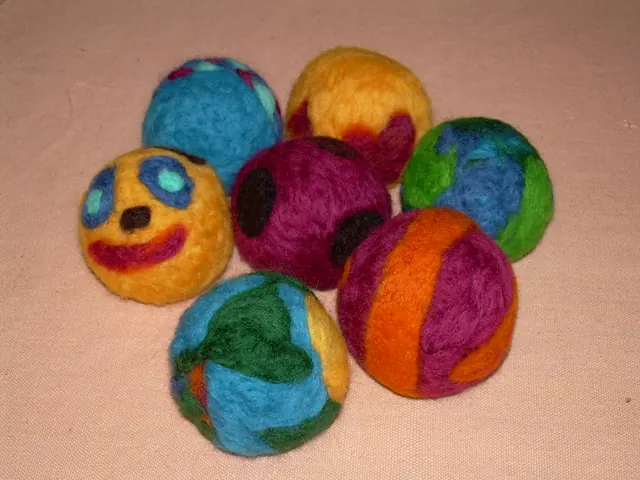
Flat work or a small sculpture
A flat picture lets you place coloured wool on a supporting surface and concentrate on shape and contrast. A three-dimensional project adds the problem of keeping the form balanced from several angles. Neither requires drawing a perfect outline beforehand, but a simple subject helps. A rounded bird, mushroom or abstract brooch has fewer delicate parts than an animal with thin legs. Look at examples made by previous beginners. They provide a more realistic idea of the session than a display of complex figures made by an experienced tutor over many hours.
Learn what the needle is doing
The needle catches fibres and encourages them to bind as it enters and leaves the wool. The action is repeated many times, so progress can feel slow until the material begins to hold its shape. A teacher can help you judge firmness and show how to add wool where more volume is needed. You are not expected to memorise every needle type in a first class. It is more useful to learn how to support the work, control the direction of the needle and recognise when an area has received enough attention.
Check the working setup
Felting needles are sharp and can break if used incorrectly. A proper supporting pad and clear instruction are essential parts of a beginner session. Ask about minimum ages, supervision for children and whether any protective aids are supplied. This is not a craft to do while looking away at a conversation. People who find repeated hand movements tiring should check whether the project allows breaks or a shorter working period. Good lighting also matters when you are trying to place a tiny amount of contrasting wool on a small surface.
Find out what the kit includes
A workshop may supply all tools for use during the class, include a take-home kit or charge separately for equipment. Check whether the wool, backing, brooch fitting or display base is part of the price. If you plan to continue, ask which few items are genuinely needed for your next project; a large assortment can make choosing harder without improving the result. Keep information about the wool used, because a different fibre preparation may behave differently. It is useful to repeat a familiar small project before buying materials for a much larger one.
Enjoy the changes between attempts
A first piece does not need perfectly matched eyes or a polished surface to be worth keeping. Photograph it from several sides and notice where a small addition of wool changed the expression or balance. If one detail becomes frustrating, ask the tutor to show a correction on a separate sample before changing your work. For a social outing, choose a group project of similar complexity so everyone can work at a comfortable pace. For deeper learning, a course that introduces shape, surface and colour separately gives each skill room to develop.
You might also like to explore
Art classes
Art classes and studio sessions can offer guided skills, a shared workspace or support for developing your own work.
Yarn shops
Compare yarn by fibre, construction, thickness, colour and project needs. Learn what to bring to a yarn shop and how to ask about substitutions, quantities and dye lots, with focused searches for useful supplies.
Craft stores
Craft and hobby shops can introduce a new activity through a manageable first project.
Open a guide to see what it involves and find a more specific search.
Sources and further reading
Further reading for the subjects discussed in this guide. Provider arrangements and local availability should be checked separately.