Jump to a section 5 sections
Understand the idea
A makerspace is a shared place to work on practical projects using tools, equipment and knowledge that may be difficult to keep at home. One space might focus on woodworking and repair, another on electronics, digital fabrication or textiles. Membership does not automatically mean unrestricted access to every machine: inductions, bookings and supervision are often part of how the workshop functions. Start with a small project you can describe clearly and ask which facilities would suit it. The value is not only the equipment, but also learning how to prepare a job, use the space responsibly and make progress alongside other people.
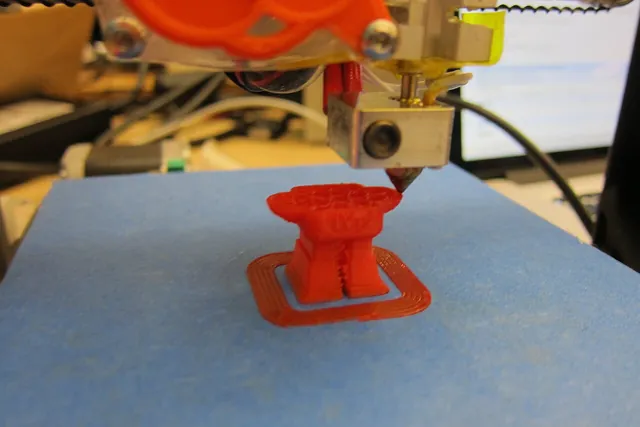
Find a space that matches the thing you want to make
The name makerspace covers many different workshops. A room with sewing machines and craft tables is not the same as a fabrication lab with laser cutting or a woodworking shop with large machinery. Describe the object, material and approximate size of your project when asking about access. If you only need one finished component, a commercial fabrication service may fit better than learning to use a shared workshop. If you want to develop the skill and return for later projects, a makerspace can offer a more useful setting for gradual practice.
Understand induction and permission to use equipment
Shared equipment needs a clear process for learning and authorising its use. Ask which inductions are required, who provides them and whether access changes once you have completed them. Familiarity with a similar machine elsewhere does not establish permission to use this one. The Fab Foundation includes safety, equipment training and material choices in its description of supporting fabrication spaces, reflecting how these elements belong together. Follow the local workshop's procedures and ask for help when uncertain; a welcoming space should make the boundaries of independent work understandable from the start.
Prepare materials and files before booking
A machine booking can be wasted if your material is not permitted or the design is not ready in the required format. Ask the space what it needs for the specific process and whether staff review first projects before a session. For digital fabrication, that may include preparing an appropriate file; for other work, it may involve bringing a dimensioned sketch and approved materials. Do not purchase a large quantity before confirming compatibility. A modest test piece lets you learn the workflow and check the result before committing the final material or a long booking.
Clarify how much help is actually available
Some sessions include active instruction, while others offer access after training with only limited staff support. A membership fee should not be assumed to include unlimited design consultation or someone to complete the job for you. Ask what assistance is available when you get stuck, whether project clinics are offered and when experienced staff are present. Explain your current skill level honestly. A short taught class followed by an independent session may suit you better than immediately booking equipment time and discovering that the missing skill is preparing the project itself.
Work out the practical rhythm of using the space
Consider opening hours, booking lead times, storage for unfinished work and how clean-up fits into each session. Ask whether consumables, machine time and materials are charged separately from membership. Shared workshops function better when projects are labelled and benches are left ready for the next person, so understand those routines before starting something large. Visit an open evening or tour if available and bring one concrete project question. Search for the process you need, such as electronics or textiles, to find a space that supports the work you actually want to do.
You might also like to explore
3D printing
3D-printing services turn a suitable digital design into a physical object using different materials and processes.
Atelier
Art classes and studio sessions can offer guided skills, a shared workspace or support for developing your own work.
Technical school
Technical schools teach practical and theoretical skills for particular trades or industries.
Open a guide to see what it involves and find a more specific search.
Sources and further reading
- Fab Foundation: getting started with fabrication spaces
- Fab Foundation: equipment and training support
Further reading for the subjects discussed in this guide. Provider arrangements and local availability should be checked separately.