Jump to a section 5 sections
Understand the idea
Letterpress makes words and images feel physical. Raised type or another relief surface receives ink, then presses it onto paper, leaving a printed impression shaped by the type, spacing, ink and pressure. A workshop lets you handle some of those choices instead of selecting a font on a screen. You might set a short phrase from individual letters, arrange a bold poster or print a design that has been prepared for you. The best format depends on whether you want to explore typography or operate the press. Ask which stages you will do yourself, because both can be rewarding but they teach different things.
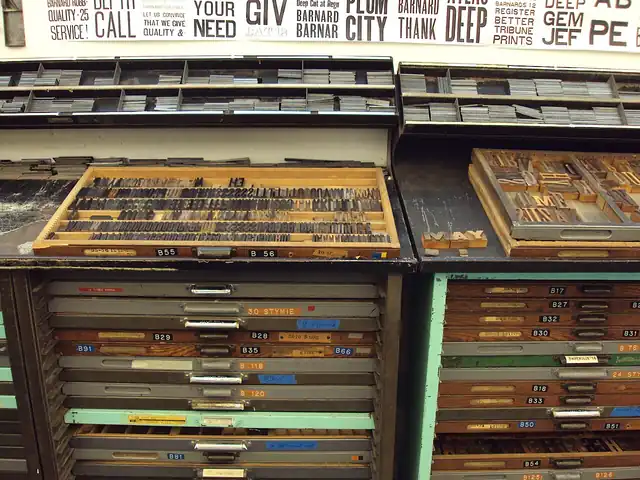
Work with a short piece of text
A few well-chosen words are easier to compose than a long quotation. Physical type comes in the sizes and quantities held by the studio, so the available letters can become part of the design challenge. You may discover an interesting worn character or a large wooden letter that suggests a different layout. Bring several short alternatives and check spelling before setting anything. The deliberate pace is part of the appeal: a line break or extra space becomes an object you move and assess, rather than an adjustment you make almost without noticing.
Decide between type setting and printing
Some classes spend most of their time arranging movable type. Others use an existing block or a custom plate, allowing you to focus on inking, registration and the operation of a particular press. A poster session might offer larger type and fewer colour choices, while a stationery class may concentrate on a smaller format. Ask whether a supplied digital design needs to be sent in advance. Plate preparation can involve extra costs and lead time, and a short workshop may not include designing the artwork from scratch.
Expect supervised machinery
Printing presses have moving parts and pressure points, so a beginner session should explain safe working positions and which operations participants may perform. Different studios use different presses; a tabletop experience will not feel identical to working at a large proof press. If reaching, standing or hand strength is a concern, discuss the setup before paying. The important question is whether you can participate comfortably in the stages that interest you. Watching a specialist operate a machine can be worthwhile, but the listing should distinguish observation from hands-on printing.
Read the first proof carefully
A proof gives you a chance to see the design as ink on paper. Letter spacing that looked convincing in the form may need adjustment, and an uneven patch can reveal a problem with inking or contact. Keep the first impression even if it is imperfect; comparing it with the later version makes the decisions visible. Ask how many prints the session includes and whether you can try another paper or colour. A small edition of one considered design can be more satisfying than several rushed layouts with no time to refine them.
Give the finished prints somewhere to go
Check drying and collection arrangements, particularly if you are travelling after the session. Freshly printed sheets need protection from rubbing and folding. At home, the result might become a small framed piece, a card or the opening page of a handmade book. If you enjoyed the process, look for a studio membership, supervised practice session or longer typography course. Search wording matters: a commercial letterpress printer may produce beautiful invitations without offering classes, so include workshop, taster or beginner tuition to find places where you can use the equipment yourself.
You might also like to explore
Art classes
Art classes and studio sessions can offer guided skills, a shared workspace or support for developing your own work.
Printing
Printing services depend on final size, material, colour, quantity and finishing.
Fine art printing
Plan fine-art reproductions through careful image capture, paper selection and proofing. Understand dimensions, borders and production records, then use specific search terms for artwork scanning, test prints or a finished edition near you.
Open a guide to see what it involves and find a more specific search.
Sources and further reading
Further reading for the subjects discussed in this guide. Provider arrangements and local availability should be checked separately.