Jump to a section 6 sections
Understand the idea
Historical reenactment groups offer ways to explore the past through clothing, craft, research and public interpretation. One group might recreate a household or market scene, while another concentrates on a military period with separate training for combat displays. You can be interested in the making, storytelling or research without wanting to take part in fighting. The important first choice is the period and type of activity you would enjoy spending time on. Look for a group that welcomes enquiries, explains its expectations and lets you understand the commitment before buying clothing or equipment that may not suit its standards.
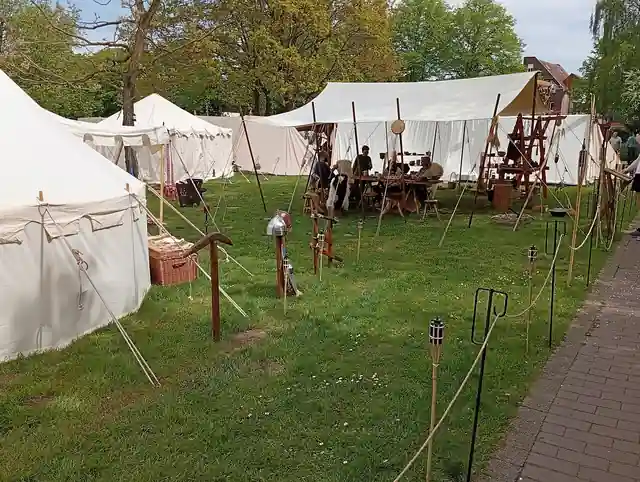
Find the part of history that holds your attention
Start with a period, place or everyday subject that makes you curious. You might enjoy clothing construction, food history, tools, music or the practical organisation of a historical household. A group’s event photographs can reveal some of its activities, but ask what members do between public appearances. Research evenings, making sessions and equipment maintenance may form a large part of the hobby. A nearby group covering a period you can grow interested in may be more practical than a perfect thematic match that requires frequent long journeys.
Separate living history from combat participation
Living-history interpretation can involve demonstrating crafts, explaining objects or discussing daily life with visitors. Combat reenactment adds another activity with its own training, equipment rules and suitability requirements. Ask whether non-combat roles are available and valued. If weapons or combat displays are part of the programme, participation should follow the organisation’s formal instruction and event rules, not informal experimentation. You do not need to acquire a weapon or learn a routine before making an enquiry. A group should explain what newcomers may observe and when any participation becomes appropriate.
Ask how historical evidence guides the group
Different organisations set different standards for clothing, materials and portrayal. Find out which sources members use and how uncertain details are discussed. A serious interest in accuracy need not mean buying an elaborate outfit immediately, but it does mean understanding why a proposed item belongs in the period. Ask whether there are written guidance notes or a member who helps beginners. Be prepared for familiar film images to be a poor guide. The rewarding part can be discovering a small, well-supported detail rather than assembling a spectacular costume quickly.
Borrow or plan equipment before spending
Membership, event travel, clothing and personal equipment can add up, so request a realistic account of first-year commitments. Ask whether loan items are available and whether you can attend a meeting before joining. Take advice before buying footwear, fabric, accessories or camping equipment for a portrayal. A generic product labelled historical may not meet the group’s needs. Agree which essentials come first and which can wait. If making clothing is part of the appeal, a supported project with suitable materials can become an enjoyable introduction to the group.
Understand what an event day involves
A public appearance may include setup, briefings, standing, talking to visitors and packing away long after the display itself. Ask about the expected hours, transport, changing space, meals and weather arrangements. Discuss access needs and whether quieter or seated roles are available. For families, clarify safeguarding, supervision and the activities open to children. Follow site rules for cooking, fire, tools and demonstrations. These are organised activities with responsibilities towards other members and the public, rather than simply attending a festival in costume.
Choose a respectful way to interpret the past
Historical subjects can include conflict, exploitation and beliefs that require careful explanation. Ask how the group presents difficult history and distinguishes evidence from entertainment. Public interpretation should not require you to accept hateful behaviour or excuse mistreatment as being in character. A useful first conversation covers the group’s conduct expectations as well as its clothing standards. If the full commitment is not right for you, museum volunteering, historical craft workshops or local history societies offer related ways to explore the subject without joining a reenactment programme.
You might also like to explore
Local history societies
Discover the stories of a place through talks, archives and shared research. Explore local history societies’ projects, from buildings to oral histories, and learn how to join with a useful question or a manageable volunteer contribution.
Historic Buildings
Historic buildings and monuments make more sense when you know the story or detail you are looking for.
Costume hire
Find costume hire for performances, themed occasions and photography. Compare fit, movement, accessories and return care, with searches that distinguish theatrical collections, historical outfits and short-term party costume rental near you.
Open a guide to see what it involves and find a more specific search.
Sources and further reading
- Regia Anglorum — joining a historical reenactment organisation
- English Heritage — volunteering and interpretation opportunities
Further reading for the subjects discussed in this guide. Provider arrangements and local availability should be checked separately.