Jump to a section 5 sections
Understand the idea
A geology club can change the way you notice a hillside, a beach or the stone in an everyday building. Members explore rocks, minerals, fossils and the processes that shape landscapes through talks, displays and guided visits. You do not need a collection or a geology qualification to be curious. Some groups favour field trips, while others offer accessible indoor meetings and help with identifying specimens. Look for a club whose programme matches the way you want to learn. A short introductory walk is a different commitment from a demanding day at an exposed site, and responsible access matters wherever the group goes.
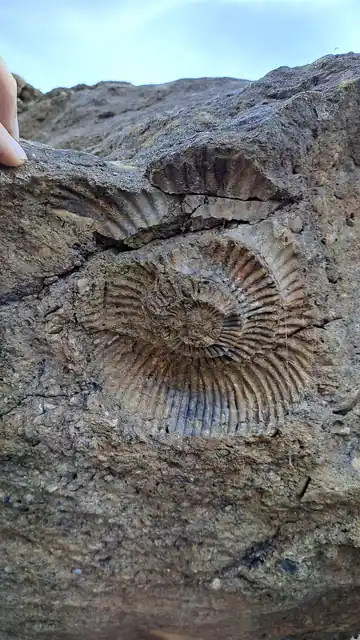
Start with the landscape or the specimens
Think about what first caught your attention. If you want to understand a familiar landscape, an introductory geology walk can connect visible features with a broader story. If you have a small box of unknown rocks, a specimen evening may be a better starting point. Mineral, fossil and general geology groups overlap, but their programmes need not be identical. Read a few recent event descriptions before joining. A beginner should be able to ask basic questions without needing to buy specialist equipment. Ask whether the group offers introductory sessions or pairs newcomers with a member during their first outing.
Read the field trip details carefully
A destination name alone does not tell you how an outing will feel. Ask about distance, gradients, surfaces, toilets, shelter and the expected pace. Some visits involve long periods standing while a leader explains an exposure; others require sustained walking. Coastal and quarry settings need particularly clear organisation and site-specific instructions. Follow the leader's arrangements and any landowner conditions. Tell the organiser about access needs before booking so they can describe the route accurately. If that outing is unsuitable, an indoor talk, museum visit or shorter walk may still give you a satisfying introduction to the same subject.
Observe before collecting
A rock or fossil is part of a place, and taking it away can remove useful information or damage a protected site. Geological fieldwork codes stress permission and responsible behaviour. Check the rules for the particular location and the organiser's approach; membership of a club does not create a right to collect. Photographs, sketches and written notes can make a worthwhile record without taking material home. Do not bring a hammer unless the leader specifically requests appropriate equipment and explains its use. An observation-focused walk can be just as absorbing as a collecting trip, especially when the group shows you what to look for.
Bring a useful record of a find
If you want help with an existing specimen, its background may be as useful as its appearance. Note where and when it was found, whether it was loose or part of an exposure, and anything you remember about surrounding material. Avoid removing more pieces just to answer those questions. Clear photographs from several angles, with a scale, can help a group decide whether to bring the object to a meeting. Do not expect a confident identification from a single blurred image. Learning why a specimen remains uncertain is part of the hobby and can be more informative than receiving a quick name.
Build an enjoyable routine
You could attend a monthly talk, keep a notebook of local building stones or revisit an easy public route in different seasons. A club gives those small observations a social setting and offers people to ask when a feature puzzles you. Confirm whether trip fees, transport and guest visits are included in membership or arranged separately. If children are interested, search specifically for family sessions and ask about supervision. Keep the first outing simple, with comfortable footwear and the organiser's suggested kit. You can decide later whether maps, reference books or a small hand lens would add something useful to your interests.
You might also like to explore
Museums
Museums can offer hands-on exhibits, focused collections, workshops and guided interpretation.
Nature trails
A walking route can be chosen for forest scenery, waterside views, local history or simply a comfortable loop.
Local history societies
Discover the stories of a place through talks, archives and shared research. Explore local history societies’ projects, from buildings to oral histories, and learn how to join with a useful question or a manageable volunteer contribution.
Open a guide to see what it involves and find a more specific search.
Sources and further reading
Further reading for the subjects discussed in this guide. Provider arrangements and local availability should be checked separately.