Jump to a section 5 sections
Understand the idea
Furniture upholstery classes teach you to work with the layers that give a seat its shape, support and finished covering. A first project might be a simple removable chair seat or a small footstool, while more involved courses can explore traditional or modern construction over several sessions. The right project matters: an appealing old armchair may contain much more work than a beginner course can accommodate. Before bringing furniture, ask the tutor to assess photographs and explain the proposed process. Look for a class that gives you practical time, suitable tools and a clear understanding of which materials and finishing stages are included.
Choose a first project with the tutor
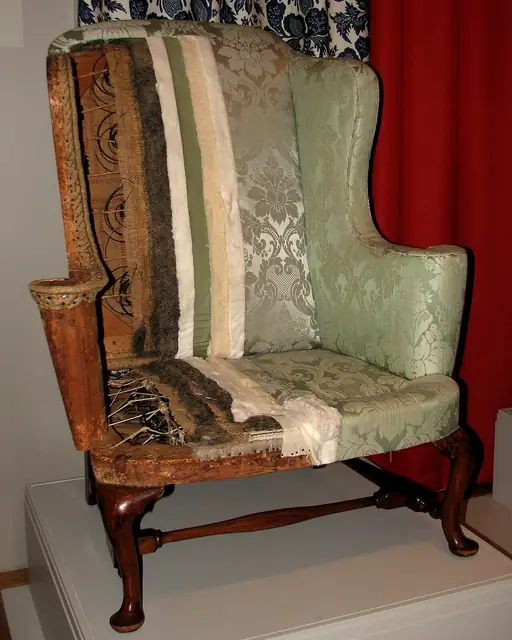
A simple seat can introduce removing a cover, understanding what lies beneath and fitting a new surface without the complexity of a whole armchair. The condition of the frame and existing layers affects how much preparation is needed. Send photographs before booking and include the underside if the organiser asks for it. A course may provide a standard practice frame instead of accepting personal furniture. That can make the teaching more predictable because everyone learns the same sequence. Do not dismantle an item in advance unless the tutor has specifically explained what to do.
Understand modern and traditional approaches
Upholstery is not just choosing a fabric. Different furniture constructions use different supporting and padding systems, and courses may focus on traditional methods, modern materials or a combination. A hobby class might introduce one straightforward construction, while a professional programme develops several techniques in a planned sequence. Ask which approach fits the furniture you want to work on and how deeply the course explores it. The aim should be to understand why each layer is present, rather than copy a sequence that only works for the demonstration piece.
Think about the covering as part of the project
The fabric's thickness, stretch, pattern and intended use can all affect the work. A large repeating pattern may need careful positioning, while a textured surface can look different when turned. Ask the tutor how much material your approved project needs before buying it, and whether the course provides a practice covering. Keep the furniture's use in mind: a decorative object and an everyday seat may place different demands on the finished covering. The class should also explain any material requirements relevant to the project rather than leave you to infer suitability from appearance alone.
Allow time for preparation and tool practice
Removing old fixings and understanding the previous construction can take a substantial part of a session. That preparation is useful learning, even when the new fabric has not yet appeared. The tutor should demonstrate the tools used and explain how the work is supported securely. Check whether equipment, protective items and consumable materials are included. A shared tool can work well in a small class, but a large group may spend more time waiting. Ask how much individual guidance is available when students are working on furniture with different problems.
Plan storage, transport and continued learning
Furniture projects are less portable than a sketchbook or sewing sample. Find out whether your item can remain at the workshop between sessions and when collection is required. Ask how unfinished work is handled if the course ends before your project is complete. A series can give you time to repeat skills and tackle a second, slightly more complex item, whereas a taster workshop may focus on one supplied piece. If your aim is professional training, compare the published curriculum and qualification separately from leisure classes. Search with beginner, footstool or the construction method to narrow your options.
You might also like to explore
Furniture repair
Furniture repair can involve joints, upholstery, veneers, finishes or replacement parts.
Fabrics store
Fabric, sewing and haberdashery shops can help combine cloth, thread, fastenings and a pattern into a workable project.
Atelier
Art classes and studio sessions can offer guided skills, a shared workspace or support for developing your own work.
Open a guide to see what it involves and find a more specific search.
Sources and further reading
- Association of Master Upholsterers and Soft Furnishers: training
- Association of Master Upholsterers and Soft Furnishers: scope of the craft
Further reading for the subjects discussed in this guide. Provider arrangements and local availability should be checked separately.