Jump to a section 5 sections
Understand the idea
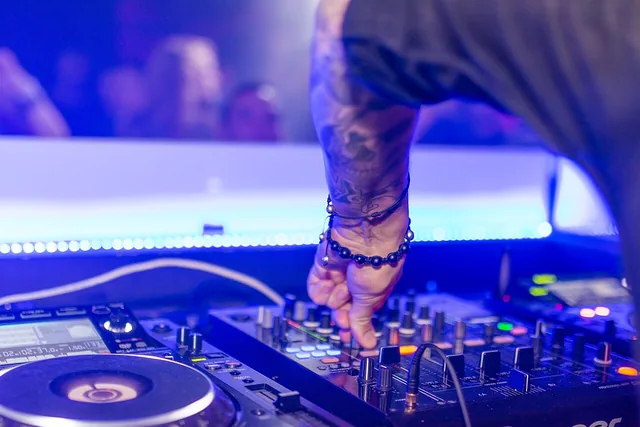
DJ classes turn listening to favourite tracks into a practical question: what should play next, and how can you move into it smoothly? A first session might introduce the decks or controller, show you how to hear the next track in headphones and let you try a simple transition. More developed courses work on timing, phrasing, track selection and building a short set. You can explore this as a hobby without planning to perform in a club. The most useful beginner class gives you time at the controls and explains the equipment slowly enough that you can repeat the steps yourself.
Choose a setup you can practise on
Lessons may use a laptop and controller, separate media players or vinyl turntables. The basic musical questions overlap, but the controls and preparation differ. Tell the school what equipment you already own, if any, and ask whether you need to bring it. You can try a supplied setup before making a purchase. If the course assumes practice between sessions, ask about studio hire or access to equipment. A class on an impressive booth is less helpful when you cannot repeat its exercises afterwards and there is no plan for bridging that gap.
Expect to listen before adding effects
A useful first exercise is hearing where musical sections begin and deciding when the next track should enter. Cueing lets you prepare that track without sending it to the main speakers. Matching the pulse and making a tidy transition take listening as well as hand movements. Effects can come later, once you understand what the underlying mix is doing. Ask whether the teacher demonstrates a small number of techniques and then watches you try them. A fast tour of every button can look exciting while leaving little that you can actually remember or use.
Ask how much time you get at the decks
Class size alone does not tell you how a session works. Four students sharing one setup get a different experience from four students with individual practice stations. Watching another person can be useful, but beginners also need uninterrupted turns to make mistakes and try again. Find out whether headphones are supplied, whether you can bring your own, and how volumes are managed. A private lesson may be worthwhile for a particular obstacle. A small group can be enjoyable when you want to compare music choices and hear how other learners approach a transition.
Bring music the course can actually use
Ask how to prepare tracks before the session. A personal streaming subscription does not automatically mean a track can be used in the school's software or recorded into a mix. The provider should explain supported sources, file formats and any account requirements. Avoid spending the first hour logging into services or discovering that your playlist is unavailable. If you intend to share a recorded mix publicly, discuss the platform's rules and the rights involved first. For learning, a short set of compatible tracks with clear musical sections is more useful than a huge, unorganised collection.
Finish with a short, repeatable set
Two or three deliberate transitions can teach more than trying to fit every favourite song into one attempt. You might practise opening with one mood, adding energy gradually and choosing a clear ending. Ask for feedback on track selection as well as technical timing: two songs can be closely matched yet feel wrong together. After a taster, decide whether you want regular lessons, supervised practice or a course in a particular genre. Search with that goal and your equipment type. Check whether an advertised performance opportunity is optional and whether extra studio or software costs apply.
You might also like to explore
Music production classes
Compare music production courses through the tracks you want to make. Explore recording, beat making, arrangement and introductory mixing, with practical guidance on software, equipment access and completing a manageable first audio project.
Music school
Music schools can offer instrument lessons, singing, theory and ensemble playing.
DJ
A DJ service includes musical preparation and event performance, with sound, lighting and announcements sometimes priced separately.
Open a guide to see what it involves and find a more specific search.
Sources and further reading
Further reading for the subjects discussed in this guide. Provider arrangements and local availability should be checked separately.