Jump to a section 6 sections
Understand the idea
A community orchard is a shared fruit-growing space where people can take part in caring for trees and enjoying the changing seasons. It may be managed by neighbours, a community organisation or another landholder, with volunteering sessions and clearly defined arrangements for sharing fruit. Joining involves more than arriving when apples or other crops are ready: young trees need ongoing attention, working areas need care and the group needs people who help organise activities. Some orchards welcome occasional volunteers, while others rely on a regular team. Ask how the orchard is managed and what participation means before assuming that public access includes permission to harvest.
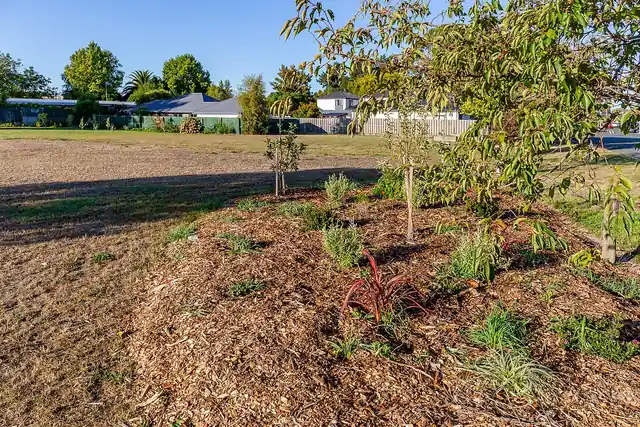
A place and a group of people
The trees are the visible part of an orchard, but a community project also depends on decisions about access, maintenance and use of the harvest. A site may be open for informal visits while work sessions require registration, or it may be accessible only at organised times. Ask who coordinates the group and how new participants are introduced. A community orchard differs from a commercial pick-your-own farm: entry, harvesting and payment arrangements cannot be inferred from the presence of fruit on trees.
Follow the orchard through its year
The work changes as trees grow, flower and fruit. Depending on the site, volunteers might support planting, watering, mulching, checking tree guards or organising a harvest event under the coordinator’s direction. The Orchard Project provides training specifically for managing community orchards, reflecting the need for both practical knowledge and group organisation. Ask how your chosen orchard teaches these skills. Visiting at different times can make familiar trees more interesting, revealing the decisions and patient care behind fruit that otherwise appears only briefly in a shop.
Learn tree care with suitable supervision
Pruning, planting and diagnosing problems are not interchangeable tasks, and the appropriate approach depends on the tree and the project’s aims. Join a supervised session instead of copying an operation from a neighbouring tree or an unrelated online demonstration. Ask which tasks beginners can carry out and when specialist instruction is available. You may begin with ground-level work or recording rather than using cutting tools. The chance to watch an experienced leader explain a decision can be as useful as completing a large amount of physical work.
Understand how the harvest is shared
Each orchard needs clear expectations about picking. Fruit might be reserved for a group event, distributed through a community project or available under published rules. A tree beside a public path does not automatically offer unrestricted harvesting. Ask who can pick, when fruit is considered ready and whether particular trees have an agreed use. Follow the group’s instructions for collecting and handling fruit, and leave climbing or elevated work to authorised arrangements. A fair, understood system helps prevent the harvest becoming a source of disagreement between otherwise cooperative neighbours.
Contribute beyond working with trees
Orchards can also need help welcoming visitors, maintaining records, arranging sessions or telling members about changed plans. Someone with limited time might take on one clearly defined task rather than a general promise to help whenever needed. Ask how the group communicates and whether there are shared decisions or regular meetings. If you enjoy gathering people more than gardening, event support may be a good fit. Conversely, a quiet maintenance session may suit you better than a busy public celebration, even within the same orchard community.
Find an orchard you can become part of
Search for community orchard volunteering, fruit-tree care groups or orchard associations and check who manages the site shown on the map. A photograph of a harvest festival does not establish that there is a current volunteer programme. Contact the organiser about the next beginner-friendly session, meeting arrangements and practical facilities. Start with a visit that lets you understand the group’s routine. A nearby orchard can become especially rewarding when you return often enough to recognise the trees and the people caring for them.
You might also like to explore
Garden
A garden visit can focus on planting, design, food growing or a quiet place to sit.
Gardener
Gardeners and landscapers offer different services, from recurring plant care to redesigning and constructing a garden.
Volunteer work
Volunteering can introduce new people and skills through practical work, mentoring, events or nature projects.
Open a guide to see what it involves and find a more specific search.
Sources and further reading
Further reading for the subjects discussed in this guide. Provider arrangements and local availability should be checked separately.