Jump to a section 5 sections
Understand the idea
Community drum circles bring people together to make a shared rhythm through drums and other percussion. You do not necessarily need to arrive with a song or a rehearsed part: some circles build patterns through listening, repetition and a facilitator's cues. Other gatherings are more open and expect participants to find their own place in the sound. The experience depends on the group format, instruments and room as much as on musical skill. Look for a circle that explains how newcomers join, whether instruments are provided and how the volume is managed. Choose it as a musical and social activity, without needing to perform a solo.
Compare facilitated and open circles
A facilitated circle has someone guiding the group, perhaps introducing a simple pulse, inviting a response or signalling a change in volume. That structure can make it easier for a beginner to understand where to join. An open circle may develop through participants listening and responding without one person directing every change. Both formats can be enjoyable, but a newcomer may experience them very differently. Ask what a typical meeting looks like and whether the organiser introduces first-time participants. The word community describes the gathering, but does not tell you how much instruction is included.
Find a part by listening first
Shared rhythm works through relationships between sounds. One person might hold a steady pattern while another adds a lighter response or leaves space between notes. A simple contribution can help the whole group more than continuous busy playing. A beginner-friendly facilitator can demonstrate how to enter, pause and change together without requiring formal music reading. You may be invited to copy a short pattern or answer one with your own variation. Ask whether the session offers these practical starting points or assumes that participants already know how to join an improvised group.
Check instruments and playing guidance
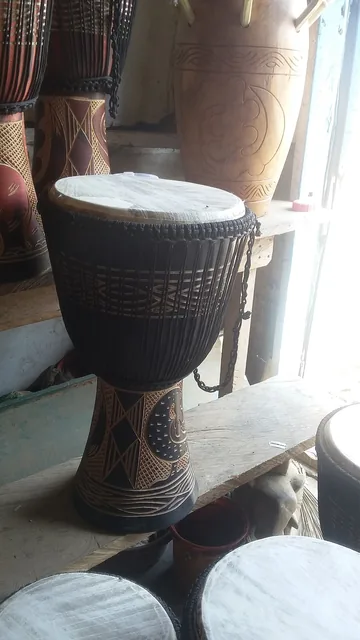
Some circles provide a selection of drums, shakers and other percussion; others ask participants to bring an instrument. Confirm this before buying or borrowing anything. The organiser should explain how supplied instruments are handled and offer guidance appropriate to them. A small shaker can be a useful way to join if you do not want to begin on a large drum. If you are interested in a particular instrument or musical tradition, a dedicated class may provide more focused technique and context than a general circle.
Consider the setting and sound
A large room filled with percussion can sound very different from a small acoustic group outdoors. Ask about the typical volume, length of playing sections and opportunities to step aside. Seating, access and the way instruments are supported can also affect participation. The organiser should be able to describe the setting without promising that it will suit every person. If quieter music matters to you, search for a low-volume or small-group session and confirm directly how it operates. A photograph of a relaxed circle does not tell you how loud the actual gathering becomes.
Choose the kind of group experience you want
Some circles are primarily social, some explore musical ideas and others sit within a specific cultural or spiritual setting. Read the description so the purpose matches your interests. Where a named musical tradition is central, look for an organiser who explains its context and the approach to teaching it. A recurring group gives you time to recognise other players and develop a shared musical vocabulary, while a drop-in session can be an easier first introduction. Ask about joining arrangements, age groups and whether you can observe briefly before taking part.
You might also like to explore
Music school
Music schools can offer instrument lessons, singing, theory and ensemble playing.
Music store
Music and record shops can be places to discover unfamiliar artists as well as buy a specific release.
Music
Live-music venues can offer seated listening, standing gigs, jam sessions or small acoustic performances.
Open a guide to see what it involves and find a more specific search.