Jump to a section 5 sections
Understand the idea
A bonsai class is a chance to look closely at a living tree and learn how its care and shape develop together. You might study the trunk and branches, discuss where the tree should grow and practise a limited piece of work under guidance. The small pot is not a shortcut to an instant finished tree: bonsai needs ongoing attention, with decisions shaped by species, climate and season. An introductory session can be enjoyable even if you have never owned one. Choose a class that explains aftercare as clearly as styling, particularly when a tree is included to take home.
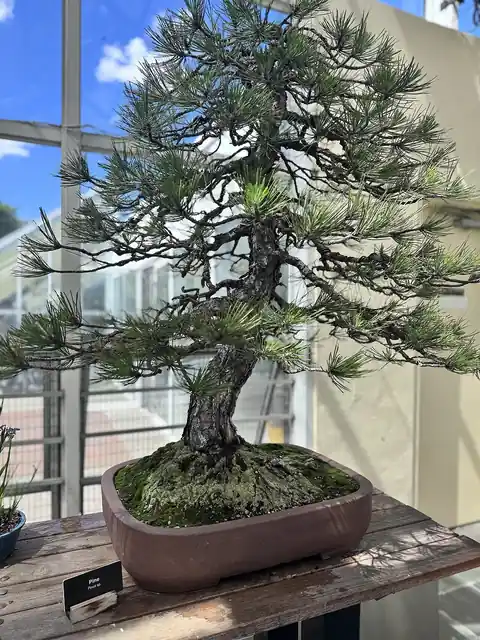
Start with where the tree will live
Before choosing a workshop tree, describe the space you can offer: an outdoor balcony, a garden or an indoor spot with particular light conditions. Many trees grown as bonsai belong outdoors; being small does not make them houseplants. Other species have different temperature and light needs. Ask the tutor to name the species and explain why it suits your circumstances. A beautiful specimen that cannot grow well in your available space is a poor starting point. Photographs of the proposed location can make this conversation more useful than simply saying that your home is bright.
Separate a demonstration from your own practice
Watching an experienced grower make decisions can be fascinating, but it is different from working on a tree yourself. Check whether a workshop includes an individual plant, shared practice material or a demonstration only. If you already own a bonsai, ask whether the session accepts trees brought from home and send a photograph first. The tutor may need to know its condition and recent treatment before deciding what work is appropriate. A care consultation can be a better first step for a struggling tree than a styling session with an attractive finished shape in mind.
Let the season guide the work
Pruning, wiring and repotting are not interchangeable activities that should all happen because there is time left in a class. Suitable timing depends on the tree and its growing conditions. A responsible teacher explains what can be done now, what should wait and why. Ask what the advertised session actually covers and whether the plant is appropriate for that work. You can still learn from observing a technique without repeating every step on your own tree. Bring notes about when you acquired it, where it has been kept and any recent changes that may matter.
Pay attention to the ordinary care
The daily interest of bonsai includes noticing growth, checking moisture and responding to the weather. A small container gives the tree a limited reserve, so care should follow its needs rather than a fixed calendar copied from another climate. Ask for guidance specific to the plant you take home, including its position, watering checks and what signs should prompt a question. If wire is applied in class, find out how to monitor it and when to seek advice about removal. Also discuss holidays: someone needs clear instructions for looking after the tree while you are away.
Find support beyond the first afternoon
A beginner workshop is a starting point in a much longer hobby. Ask whether follow-up questions are welcome and whether there are later sessions matched to the season. A bonsai club can offer demonstrations and the chance to see trees at different stages, which helps set realistic expectations about progress. Check whether meetings welcome visitors before committing to membership. Search separately for beginner classes, care workshops and clubs: a specialist nursery may teach occasionally without appearing as a school. Compare what is included in the fee, especially the tree, pot, tools and any materials you keep.
You might also like to explore
Plant stores
Garden centres and plant shops can help match plants to light, soil, space and the time you want to spend caring for them.
Garden store
Garden centres and plant shops can help match plants to light, soil, space and the time you want to spend caring for them.
Courses
Short courses can be a low-commitment way to discover a new interest, but the course title should translate into specific learning outcomes.
Open a guide to see what it involves and find a more specific search.
Sources and further reading
Further reading for the subjects discussed in this guide. Provider arrangements and local availability should be checked separately.