Jump to a section 5 sections
Understand the idea
Bobbin lace can look impossibly intricate until you see a small section being made. Threads wound onto bobbins are worked in pairs on a firm pillow, with pins helping to hold the developing pattern in place. A beginner class reduces the scale and introduces a few repeated movements, so you can follow how an open structure grows. The quiet concentration is part of its attraction, as is the pleasure of understanding an object that once looked mysterious. Start with a narrow sample rather than a large decorative piece, and choose a session that supplies the equipment while you discover whether you enjoy the process.
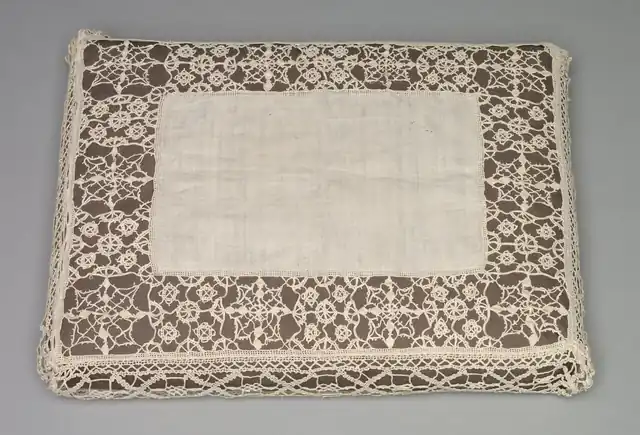
Look closely at the working setup
The pillow supports the pattern and pins, while the bobbins help organise and control the threads. Although the number of moving parts can seem daunting, an introductory project should use only what is needed for its lesson. The tutor can show which pairs are active and how to put the others aside without losing their order. Seeing this from your own seated position is important; an overhead demonstration alone may be difficult to translate. Ask whether the class is small enough for the teacher to check your work at the pillow.
Learn a repeat before chasing a pattern
A short strip gives you time to recognise a sequence and see the difference between an even passage and an accidental change. The first aim is understanding the movement and maintaining a workable tension, rather than producing a long piece. A tutor should be able to help you trace back to where something changed. That process can be more useful than immediately restarting. Choose a class explicitly intended for complete beginners; a workshop introducing a new lace style may assume that you already handle bobbins and read a pattern comfortably.
Borrow equipment before building a collection
Lace pillows, bobbins and other supplies come in different forms. A first session with loan equipment lets you find out what suits the technique and your working position. Ask whether the prepared pattern and thread are included, and whether a piece started in class can remain on borrowed equipment between lessons. Removing unfinished work may not be straightforward. If you want to continue at home, request a short list tied to the exact beginner project. Attractive antique bobbins can be interesting objects without necessarily being the most practical first set for your lesson.
Give small details enough light and space
Good lighting helps you distinguish threads and pin positions, especially when the pattern is fine. Ask about magnification or other practical aids if you use them for close work. The pillow should sit securely at a comfortable height, with enough room for the bobbins rather than hanging awkwardly over an edge. Regular pauses allow you to check the developing structure without hurrying. If you have limited hand movement, discuss the actual setup with the teacher in advance. A photograph of the working station can be more informative than a broad assurance that everyone is welcome.
Find a group as well as a course
A lace group may welcome beginners, but a regular meeting is not always a taught class. Ask whether someone can introduce you or whether you should take an initial lesson first. Once you know a little, watching others work can help you connect a technique with its finished appearance. Keep your first sample with its pattern and notes; even a short imperfect strip records several decisions. If you continue, work through a few related samples before attempting a large motif, so the structure begins to make sense without constant prompting.
You might also like to explore
Art classes
Art classes and studio sessions can offer guided skills, a shared workspace or support for developing your own work.
Haberdashery store
Fabric, sewing and haberdashery shops can help combine cloth, thread, fastenings and a pattern into a workable project.
Courses
Short courses can be a low-commitment way to discover a new interest, but the course title should translate into specific learning outcomes.
Open a guide to see what it involves and find a more specific search.
Sources and further reading
Further reading for the subjects discussed in this guide. Provider arrangements and local availability should be checked separately.