Jump to a section 6 sections
Understand the idea
A beekeeping association connects people interested in managing honey bee colonies with experienced beekeepers, practical learning and ongoing support. Joining can be a sensible step before buying hives or bees because it lets you understand what the work actually involves across a season. Associations may offer introductory courses, talks, mentoring or visits to a teaching apiary, although membership arrangements differ. You can also be interested in bees without deciding to keep a colony yourself. Start by explaining whether you want a general introduction, supervised experience or support for an existing hive, then choose a group whose programme matches that stage of interest.
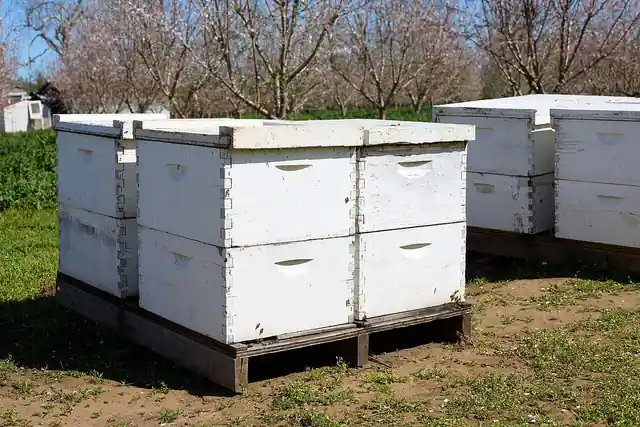
Learn the commitment before acquiring bees
Beekeeping is an ongoing responsibility for living colonies rather than an occasional visit to a box in the garden. The work changes through the year and needs reliable attention, including arrangements when the beekeeper is away. The British Beekeepers Association recommends learning theory and gaining practical experience before investing in bees and equipment. Ask a local association to explain the routine realistically, including what members find demanding. A course can help you decide that you enjoy learning about bees even if keeping your own colony is not suitable.
Understand the association’s learning pathway
An introductory talk, a structured beginner course and practical apiary sessions serve different purposes. A talk may help you decide whether to explore further, while a course can build knowledge across several meetings. Practical sessions show how that knowledge is applied under supervision. Ask what is included, what experience is expected and whether a course leads to continuing support. Avoid assuming that paying for membership automatically provides a personal mentor or unrestricted apiary access. A clear programme makes it easier to choose the right starting point.
What to expect at a teaching apiary
An apiary session involves entering a working area around colonies and following the leader’s instructions closely. Confirm the required clothing, whether protective equipment is supplied and what information the organiser needs before you attend. Explain concerns in advance rather than waiting until a hive is opened. Some sessions are demonstrations, while others allow supervised participation. Ask which applies and how many learners share the session. Observing carefully and asking well-timed questions can be more useful initially than trying to handle everything on a first visit.
Local knowledge matters to practical decisions
The suitability of a site, the types of equipment commonly used and the issues beekeepers encounter can differ between regions. Use the association as a route to current, locally relevant guidance rather than applying advice from an unrelated climate without question. Discuss access, neighbouring uses of land and the practicalities of caring for colonies before making plans. The association should be able to point you towards the appropriate local requirements and specialist information. This page is an introduction to finding learning and support, not a guide to setting up or treating colonies.
Mentoring and membership work both ways
A mentor may help a newcomer understand observations and decisions, but the arrangement needs agreed expectations about availability and responsibility. Ask how the association matches beginners with support and how questions should be raised between meetings. Established members also need people to help with talks, administration, event preparation or equipment organisation. If you are not ready to keep bees, these roles may still offer a way to participate. Choose commitments you can maintain; regular practical responsibilities should not rely on an uncertain promise to be available occasionally.
Find the right introduction near you
Search for a beekeeping association, beginner course or teaching apiary according to the experience you want. A map result for a honey seller is not necessarily a place offering training, and an apiary may not publish its precise location. Contact the group through its official information and ask about the next suitable session. If your main interest is supporting wild pollinators rather than managing honey bees, a conservation or habitat group may be a closer match. Clarifying that aim leads to a more useful first conversation.
You might also like to explore
Courses
Short courses can be a low-commitment way to discover a new interest, but the course title should translate into specific learning outcomes.
Garden
A garden visit can focus on planting, design, food growing or a quiet place to sit.
Volunteer work
Volunteering can introduce new people and skills through practical work, mentoring, events or nature projects.
Open a guide to see what it involves and find a more specific search.
Sources and further reading
Further reading for the subjects discussed in this guide. Provider arrangements and local availability should be checked separately.