Jump to a section 5 sections
Understand the idea
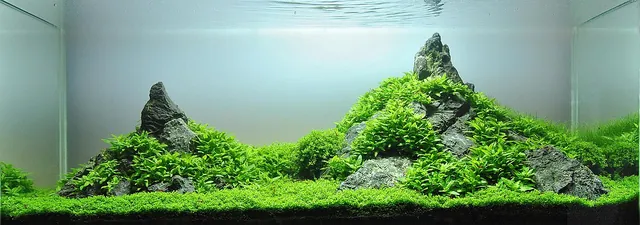
An aquascaping workshop explores how plants, wood, stone and open space can form a convincing landscape inside an aquarium. You might plan a layout on paper, arrange materials in an empty tank or help plant a demonstration aquarium. The design is only part of the project: plants keep growing, equipment needs maintenance and any future animals have their own requirements. A useful beginner session connects the attractive first arrangement with what happens in the weeks afterwards. It can also help you decide whether you want to maintain an aquarium before buying a complete setup on the strength of a photograph.
Decide what the workshop actually builds
Some events are demonstrations in which an experienced aquascaper creates a display while explaining decisions. Others let each participant arrange a small tank or practise with shared materials. Ask which format is offered and what you take home. A display made during class may remain at the shop, while a take-home kit could exclude lighting, filtration or a suitable stand. Request an itemised description before comparing prices. If you already have an aquarium, bring its dimensions and photographs so the tutor can discuss ideas that fit the actual space and equipment you have available.
Plan a layout you can maintain
Stones and wood provide structure, but their arrangement should leave room for practical tasks. You will need to clean glass, reach equipment and trim or remove plants without dismantling everything. A workshop can show how a layout looks from the intended viewing position and how open areas contribute to the composition. Try moving materials while the tank is empty rather than committing too quickly. Ask whether the materials are suitable for aquarium use and your intended water conditions. Collecting attractive objects outdoors does not establish that they are appropriate to put in a tank.
Choose plants for the setup
Aquatic plants have different needs, growth habits and eventual sizes. A slow, simple planting scheme and a densely planted display with demanding equipment involve different commitments. Ask the tutor to identify each plant and explain its placement, expected growth and routine care. Do not choose only from how a freshly planted aquarium looks in a photo. The useful question is how it will develop with your lighting, maintenance time and experience. Check whether extra carbon dioxide equipment is assumed and what ongoing supplies are required. A clear explanation should make the total setup understandable before you buy it.
Keep design and animal introduction separate
A newly arranged aquarium is not automatically ready for fish or other animals. Filtration must be established, water conditions checked and the eventual inhabitants chosen for their adult needs and compatibility. Fishless cycling avoids exposing fish to the harmful ammonia and nitrite that can occur while a new system develops. Ask how the workshop covers this preparation, including testing and what to do before any animals are introduced. A small display tank can be useful for learning plant design without becoming suitable housing for the fish shown in an unrelated promotional photograph.
Leave with an aftercare plan
Ask what happens during the first weeks: what to monitor, how to manage lighting, when to seek help and which routine tasks apply to your particular setup. The answer should account for the plants, substrate, equipment and any future stocking plan. If you take a planted arrangement home, discuss safe transport and setting it up in its permanent position. Never release unwanted aquarium plants or animals into outdoor waterways; ask a responsible specialist about suitable alternatives. For continued learning, look for a follow-up maintenance session or an aquarium club where you can discuss how the layout changes over time.
You might also like to explore
Aquarium stores
Aquarium and reptile specialists can help with habitat equipment, but species have very different environmental and care needs.
Freshwater fish stores
Aquarium and reptile specialists can help with habitat equipment, but species have very different environmental and care needs.
Courses
Short courses can be a low-commitment way to discover a new interest, but the course title should translate into specific learning outcomes.
Open a guide to see what it involves and find a more specific search.
Sources and further reading
- Tropica: starting a planted aquarium
- Tropica: establishing a new aquarium
- RSPCA: fish care and fishless cycling
Further reading for the subjects discussed in this guide. Provider arrangements and local availability should be checked separately.