Jump to a section 6 sections
Understand the idea
An allotment is a growing plot on a site shared with other gardeners, offering space to cultivate plants while learning the rhythms of a season. Unlike visiting a community garden for an afternoon, taking on a plot means returning regularly for sowing, watering, weeding and harvesting. Sites vary in how plots are allocated, which facilities are shared and what members may grow or build. The most useful starting point is an honest estimate of the time you can give each week. A smaller plot that fits your routine can be more satisfying than a large space that becomes difficult to maintain.
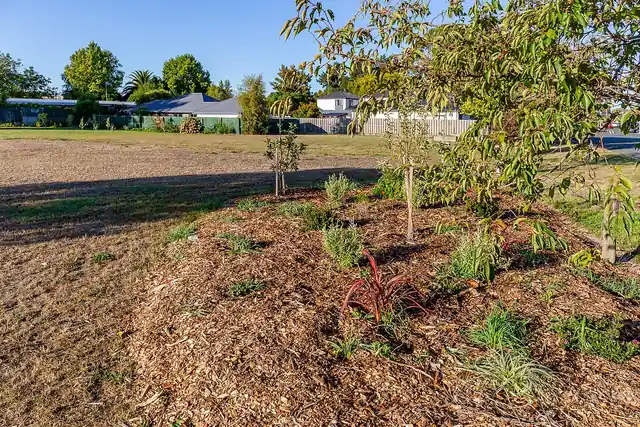
Your plot within a shared site
An allotment usually gives you responsibility for an allocated growing area while paths, water points or communal spaces are managed collectively. A community garden may instead organise all growing as a shared project, without individual plots. Some sites combine both models. Ask who makes decisions, how members communicate and what shared work is expected. Understanding the arrangement matters as much as measuring the plot, especially if your aim is learning alongside others rather than mainly working independently on a space of your own.
Choose size according to time and access
A plot’s workload depends on its condition, layout and the plants you choose, not only its area. An established small plot with accessible paths is a different starting point from a larger neglected area. Ask whether a half plot, starter plot or shared arrangement is possible. Visit after considering your normal weekly schedule and travel time. Check the distance from the entrance and water supply, the gradient and the surfaces you will need to cross while carrying tools or harvested produce.
Expect a season of linked tasks
Growing involves preparation before planting and care long after the first seedlings appear. You may need to make repeated visits during dry weather, support climbing plants and harvest crops when they are ready rather than when a weekend happens to be free. Plan what will happen during holidays or other busy periods. Neighbouring plot holders can offer useful experience, but ongoing help should be agreed rather than assumed. A simple first-season plan leaves room to learn the site and improve the plot gradually.
Understand facilities and site rules
Ask about water access, tool storage, compost areas, toilets and the hours when members can enter. A shed, greenhouse or raised bed may require permission, even if similar structures are visible elsewhere. Check what the site expects regarding paths, unused ground and shared areas, and how problems are discussed with plot holders. If you want to grow fruit trees or perennial crops, confirm that these fit the arrangement. Site-specific rules are more useful than assumptions based on photographs of another allotment.
Get a realistic picture before accepting a plot
If there is a waiting list, ask how applications and offers are handled and whether you can visit the site while waiting. Look at the actual plot offered, ideally with someone who can explain its recent use and any ongoing issues. Discuss what condition it should be in when you take responsibility and what support new members receive. It is reasonable to begin with a smaller commitment or a shared gardening group if an individual plot would be difficult to maintain at present.
Search for the right growing arrangement
Try allotment plots, community growing plots or garden plot rental, since terminology differs between regions. Add terms such as starter plots or accessible raised beds only when those features matter to you. A map may show the growing site but no application details, so find the managing association or landowner’s contact. If your priority is company and occasional participation, also explore community gardening groups. The best match is the arrangement you can sustain, not simply the first patch of available ground.
You might also like to explore
Garden
A garden visit can focus on planting, design, food growing or a quiet place to sit.
Garden store
Garden centres and plant shops can help match plants to light, soil, space and the time you want to spend caring for them.
Gardener
Gardeners and landscapers offer different services, from recurring plant care to redesigning and constructing a garden.
Open a guide to see what it involves and find a more specific search.