Jump to a section 5 sections
Understand the idea
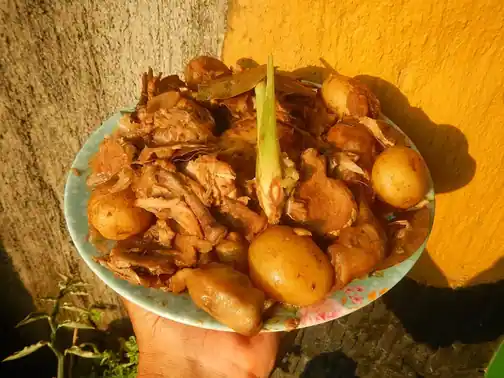
Filipino food offers a wide range of regional savoury dishes and sweet treats. A house adobo or another speciality can be a starting point if offered; ask how the restaurant builds a complete meal. Use the differences in the menu to choose the kind of meal you want, rather than assuming every place with this label offers the same dishes. A useful first comparison covers house dishes and rice or side portions and sharing. The guide below explains related ways to explore this food and gives you search phrases to take into your own maps app.
What to compare
- House dishes
- Rice or side portions and sharing
Make one part of the meal new
Keep a favourite dish or familiar ingredient, then try something different alongside it. Ask about unfamiliar ingredients, sharing portions and dietary needs. Menu examples are starting points for a conversation; check what the restaurant actually serves.
Something else to discover
British food
British dining can range from a pub meal to regional dishes, pies and a more formal restaurant menu.
Italian restaurants
Italian food ranges from regional pasta and pizza traditions to seafood, grilled dishes and a multi-course meal.
More ways to explore this subject
Exploring a cuisine is easier when you choose a few contrasting dishes instead of trying to understand an entire menu. Use a familiar ingredient as a starting point, then add one flavour, cooking method or dining format you have not tried.
Follow an ingredient or cooking method
If you enjoy rice, explore how different kitchens use it in layered dishes, bowls, filled parcels or accompaniments. Dumplings, noodle soups, grilled vegetables and slow-cooked stews also make useful starting points. These are broad routes into a cuisine rather than a checklist of what every restaurant should serve. Regional traditions, family recipes and available ingredients can produce very different menus under the same cuisine label.
Choose an experience as well as a dish
A street-food counter might suit a quick first taste; a restaurant with sharing dishes makes comparison easy. A specialist bakery or grocery shop can introduce breads, sweets and pantry ingredients. A cooking class adds practical experience if you would like to understand preparation. Ask which dishes offer a useful introduction and which can be ordered in smaller portions before building a varied meal.
Ask questions that improve the order
Discuss heat, texture and ingredients instead of simply requesting something authentic or mild. Explain allergies directly to the venue; cuisine labels cannot establish ingredient safety or preparation practices. Ask what is made in-house, what changes seasonally and which accompaniments belong with a dish. If trying several dishes together, balance rich and fresh elements and avoid ordering multiple versions of almost the same thing.
Learn what a menu name is telling you
Dish names can refer to an ingredient, a cooking method, a region or a way of serving. A familiar word therefore may not identify the complete meal. A noodle dish might be a soup, a cold dish or noodles coated in sauce; a dumpling might be steamed, boiled, fried or served in broth. Ask which feature defines the version in front of you. Transliteration can also produce different spellings of the same name. Save a short description alongside the name of a dish you enjoy. That makes a later search more useful than relying on an approximate spelling alone.
Notice how the accompaniments change a mouthful
Bread, rice, herbs, pickles and dipping sauces can have an active role in a meal rather than simply filling space beside the main dish. Taste a component alone, then with one accompaniment, and notice what changes. A crisp or tangy element may alter how a rich preparation feels, while a sauce can connect several otherwise separate ingredients. Ask how the kitchen suggests combining unfamiliar parts without assuming there is only one permitted way to eat them. Start with a small amount of a strong condiment. This approach turns one plate into a useful exploration without requiring several extra orders.
You might also like to explore
British food
British dining can range from a pub meal to regional dishes, pies and a more formal restaurant menu.
Italian restaurants
Italian food ranges from regional pasta and pizza traditions to seafood, grilled dishes and a multi-course meal.
Nepali restaurants
Nepali food offers regional dishes that should not be reduced to a generic curry menu.
Russian restaurants
Russian food offers regional soups, filled dishes and other meal traditions.
Open a guide to see what it involves and find a more specific search.